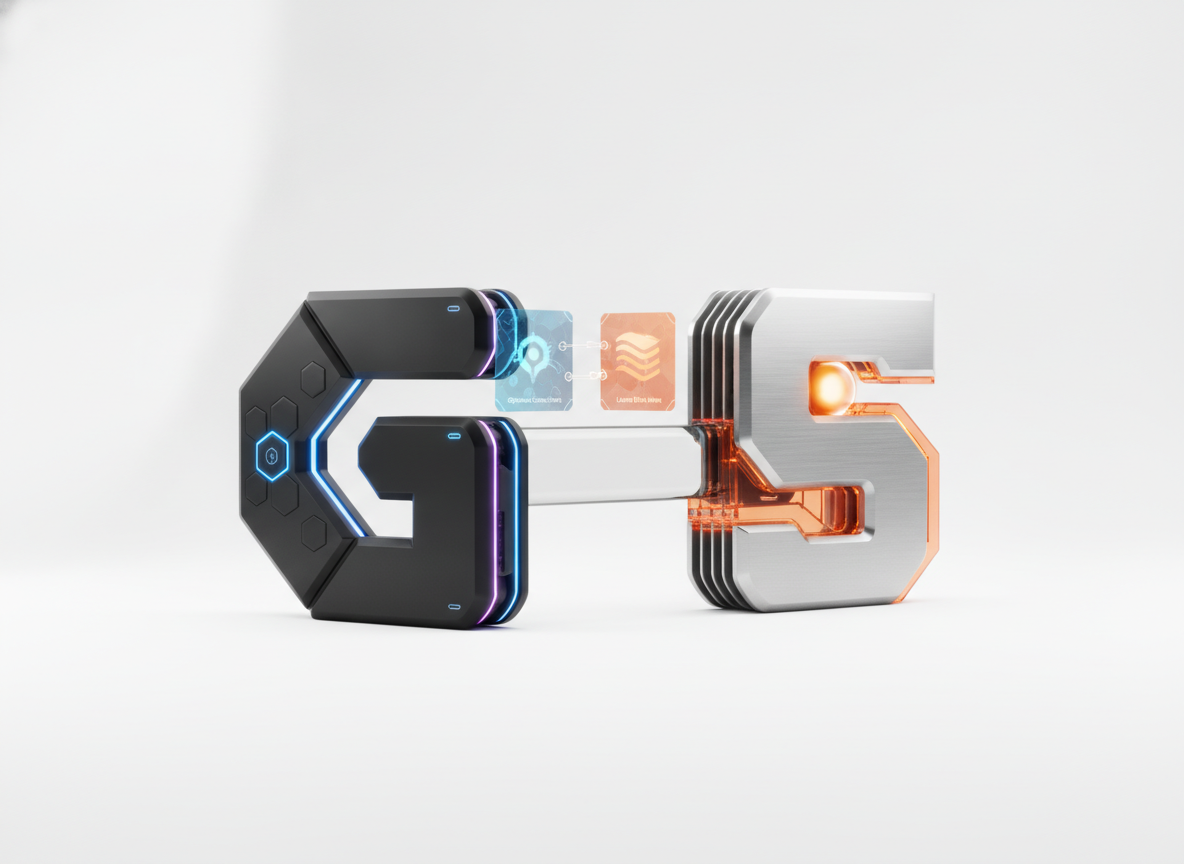
GOG Galaxy vs Steam Client in October 2026: Steam’s Latest Beta Wave vs. Galaxy’s Optional Cross-Store Approach
Table of Contents
- Key Takeaways: GOG Galaxy vs Steam in October 2026
- Introduction: The Evolving Landscape of PC Gaming Clients in 2026
- Steam's Latest Beta Wave: UI, Remote Play, and Steam Deck Enhancements in October 2026
- GOG Galaxy's Optional Cross-Store Approach: Unifying Your Game Library
- DRM-Free vs. DRM-Integrated: A Core Philosophical Divide
- User Experience: Interface, Performance, and Community Features
- Business Models and Developer Relations: The 30% Cut and Beyond
- Security, Support, and Refund Policies
- The Verdict: Which Client Dominates in October 2026?
- Limitations and Alternatives in the GOG Galaxy vs Steam 2026 Landscape
- The Evolving Choice for PC Gamers: GOG Galaxy vs Steam 2026
- FAQ
- References
- Related Reading
Key Takeaways: GOG Galaxy vs Steam in October 2026
In the GOG Galaxy vs Steam 2026 landscape, Steam’s dominance is reinforced by its continuous beta updates, including the ‘Big Art Mode’ and Remote Play enhancements, which directly improve user experience and Steam Deck integration. Conversely, GOG Galaxy carves out a niche with its optional cross-store integration and steadfast DRM-free philosophy, driven by a commitment to user convenience and game ownership. The choice between them in October 2026 ultimately depends on a gamer’s priority for a unified library experience versus cutting-edge features and a vast ecosystem.
Introduction: The Evolving Landscape of PC Gaming Clients in 2026
The PC gaming client market in October 2026 is characterized by intense competition and evolving user expectations. Valve’s Steam continues to lead with its expansive ecosystem and iterative feature development, while GOG Galaxy positions itself as the premier solution for unified game library management. This article provides a comprehensive GOG Galaxy vs Steam 2026 comparison, dissecting their latest advancements and core philosophies to determine their standing for gamers today. The insights derived from this analysis are crucial for understanding the current trajectory of digital game distribution and consumption.
Steam’s Latest Beta Wave: UI, Remote Play, and Steam Deck Enhancements in October 2026
Valve’s ongoing commitment to platform refinement is evident in its aggressive beta update schedule throughout September and October 2026. These updates significantly sharpen Steam’s competitive edge in the GOG Galaxy vs Steam 2026 debate. The introduction of the ‘Big Art Mode’ for the Steam client’s home screen directly impacts User Interface Comparison Gaming, offering a more visually immersive experience that enhances platform stickiness. This UI Redesign 2026 is a direct result of Valve’s focus on modernizing its aesthetic and improving content discoverability.
Furthermore, Steam Beta Features 2026 include crucial improvements to Steam Input performance and configurator functionality, which consequently provide a more responsive and customizable control experience for a wider range of games. The most impactful update for portable gaming is the Pyrowave codec optimizations for Remote Play. This optimization dramatically reduces latency and improves visual fidelity, as a result, directly enhancing the Steam Deck Integration 2026 experience. This means gamers can stream high-quality titles to their Steam Deck with unprecedented smoothness, extending their Gaming Setups Archives beyond the desktop and bolstering Steam’s ecosystem for Multiplayer Games Archives. These advancements collectively reinforce Steam’s position as a leading innovator in PC gaming.
Best multiplayer games with deep storylines Archives – TrueOrGame
- Key Steam Beta Updates (Sept-Oct 2026)
– New ‘Big Art Mode’ for home screen visual overhaul
– Improved Steam Input performance and configurator functionality
– Pyrowave codec optimizations for enhanced Remote Play streaming
– Significant enhancements to Steam Deck Integration 2026
GOG Galaxy’s Optional Cross-Store Approach: Unifying Your Game Library
GOG Galaxy’s Optional Cross-Store Approach represents a fundamental philosophical difference from Steam, driven by a strong user-centric design. GOG Galaxy 2.0 allows players to unify their disparate gaming libraries from various platforms, including Steam, Epic Games, Xbox, Origin, and Ubisoft Connect, into a single, cohesive launcher. This GOG Galaxy Cross-Store Integration directly addresses the fragmentation of modern PC gaming, consequently simplifying Game Library Management for users who own games across multiple storefronts.
The core benefit of the GOG Galaxy Optional Client is its ability to centralize game access, launch titles, and track achievements regardless of their origin. For instance, integrating Epic Games with GOG Galaxy is a straightforward process, enabling users to see their Epic library alongside their GOG and Steam titles. This leads to a significantly streamlined user experience, as gamers no longer need to switch between multiple applications to find and launch their games. As a result, GOG Galaxy fosters a sense of platform agnosticism, prioritizing the player’s convenience over proprietary ecosystems, which directly influences its appeal against Steam’s more walled-garden approach.
- Key Platforms Integrated by GOG Galaxy
– Steam
– Epic Games Store
– Xbox App (PC)
– Origin/EA App
– Ubisoft Connect
– Battle.net
DRM-Free vs. DRM-Integrated: A Core Philosophical Divide
The debate between DRM-free and DRM-integrated models forms a core philosophical divide that defines the GOG Galaxy vs Steam 2026 comparison. GOG’s staunch commitment to DRM-Free Gaming GOG means that once a game is purchased, the user owns a copy that can be installed and played without any online authentication or client dependency. This directly results in enhanced consumer rights, ensuring indefinite access to games regardless of GOG’s operational status or internet connectivity. The GOG Galaxy DRM-free benefits explained include genuine game ownership and unparalleled digital preservation, which means games remain playable long into the future.
Conversely, Steam’s DRM-integrated approach, while offering convenience through automatic updates and cloud saves, ties game access to its platform and online verification. This consequently impacts the long-term preservation of titles and raises questions about true digital ownership. The differing philosophies influence developer choices; some developers prefer GOG for its consumer-friendly stance, while others opt for Steam for its robust anti-piracy measures and broader market reach. This fundamental difference is central to the Future of PC Gaming Platforms, as it shapes consumer expectations regarding digital property and publisher control, aligning with general consumer protection principles advocated by bodies like the Federal Trade Commission (FTC).
| Feature | GOG Galaxy (DRM-Free) | Steam (DRM-Integrated) |
|---|---|---|
| Game Ownership | True digital ownership; no client dependency | Access tied to platform and online verification |
| Online Authentication | Not required after purchase | Typically required for initial installation and periodic checks |
| Offline Play | Fully functional offline | May require occasional online verification; some games always online |
| Digital Preservation | Strong focus on long-term playability | Preservation is a secondary concern to active market |
User Experience: Interface, Performance, and Community Features
User experience is a critical battleground in the GOG Galaxy vs Steam 2026 contest, encompassing interface design, performance, and community engagement. Steam’s UI Redesign 2026, particularly the ‘Big Art Mode’, aims to modernize the client’s appearance, consequently offering a more visually appealing and immersive browsing experience. This enhancement, driven by user feedback, directly influences the overall User Interface Comparison Gaming, making Steam feel more contemporary and engaging. Insights from institutions like the MIT Media Lab often highlight the importance of intuitive and engaging UI design in digital platforms.
GOG Galaxy, while perhaps less flashy, distinguishes itself with a highly customizable dashboard and a robust GOG Galaxy Plugins 2026 ecosystem. This means users have granular control over their client’s appearance and functionality, directly addressing ‘customizing gog galaxy dashboard’ needs. The ability to integrate third-party plugins allows for extended features not natively present in Steam, such as more detailed game statistics or specialized launchers. Regarding PC Gaming Client Performance, both clients are generally optimized, but GOG Galaxy often boasts a lighter footprint due to its focus on aggregation rather than a vast integrated storefront. Community Features Steam, such as extensive forums, user reviews, and the Workshop, remain unparalleled, fostering a vibrant and active user base. GOG Galaxy’s community features are more subdued, prioritizing a cleaner, less cluttered experience, which means different gamers will find different strengths based on their interaction preferences.
| Aspect | GOG Galaxy | Steam |
|---|---|---|
| Interface Design | Clean, customizable, aggregation-focused | Feature-rich, visually updated (‘Big Art Mode’) |
| Customization Options | Extensive via plugins and dashboard settings | Limited to native client settings |
| Client Performance | Often lighter footprint due to aggregation | Optimized, but can be resource-intensive with many features |
| Community Features | More subdued, focus on direct interaction | Extensive forums, reviews, Workshop, active user base |
Business Models and Developer Relations: The 30% Cut and Beyond
The underlying business models significantly shape the developer landscape and, consequently, the game libraries available on each platform. Valve’s long-standing 30% revenue cut for games sold on Steam has historically set an industry standard, which means developers receive 70% of the revenue. This model, while widely adopted, faces increasing scrutiny. Conversely, GOG offers more favorable developer terms, often taking a smaller cut, which directly impacts developer revenue share. This approach is particularly appealing for Indie Game Distribution Steam vs GOG, as smaller studios can retain a larger portion of their earnings, thereby fostering a more equitable distribution model.
The GOG Preservation Program Impact further distinguishes GOG’s business model. This initiative ensures that older titles remain available and playable, which means GOG actively works to acquire and update classic games to run on modern systems. This commitment to game availability and historical preservation is a core tenet of GOG’s philosophy, driven by a desire to offer a timeless library. While Steam also hosts many older titles, its focus is less on active preservation and more on current market trends. These differing Pricing Models GOG Steam and developer relations ultimately influence where games are released and how long they remain accessible to players.
Security, Support, and Refund Policies
User trust is built on robust security, responsive support, and fair refund policies, areas where both GOG Galaxy and Steam have distinct approaches. For Security GOG vs Steam, both platforms employ standard measures like two-factor authentication and account recovery protocols to protect user data, adhering to general cybersecurity best practices outlined by organizations like the IEEE Standards Association. However, Steam’s larger attack surface, due to its massive user base and integrated marketplace, means it often faces more frequent security challenges, consequently requiring constant vigilance from Valve.
Customer support experiences vary between the platforms. Steam’s support system is often criticized for being automated and slow, although improvements have been made, particularly regarding Refund Policies Gaming Platforms. Steam offers a generally straightforward refund process within specific playtime and purchase windows. GOG, known for its customer-friendly approach, often provides more personalized support and a ‘Fair Price Package’ for regional pricing discrepancies, which means their refund policy is also robust, reflecting their DRM-free stance. Addressing common issues like ‘gog galaxy not connecting to steam fix’ or ‘fix steam beta client crashes 2026’ typically involves community solutions or direct client updates, highlighting the importance of clear troubleshooting documentation for both platforms.
Best Co-op Games for Couples Archives – TrueOrGame
| Policy Area | GOG Galaxy | Steam |
|---|---|---|
| Account Security Measures | Two-factor authentication, account recovery | Two-factor authentication, account recovery, extensive fraud detection |
| Customer Support Quality | Often personalized, more direct | Can be automated, improving but sometimes slow |
| Game Refund Policy | Generally lenient (e.g., 30 days, even if played) | Specific playtime/purchase windows (e.g., <2 hours, <14 days) |
The Verdict: Which Client Dominates in October 2026?
Ultimately, the choice between GOG Galaxy vs Steam 2026 hinges on individual priorities and gaming habits. Steam dominates for players prioritizing cutting-edge features, a vast ecosystem, and seamless integration with hardware like the Steam Deck. Its continuous beta updates ensure it remains at the forefront of innovation, consequently attracting a broad user base seeking the latest technological advancements.
Conversely, a gamer would choose GOG Galaxy over Steam in 2026 primarily for its robust cross-store integration and unwavering commitment to DRM-free gaming. This means GOG Galaxy is superior for users who value a unified game library, true digital ownership, and a more curated, less intrusive experience. As a result, GOG Galaxy caters to players who prioritize convenience, preservation, and control over their digital purchases, distinguishing itself as a vital alternative in the PC gaming landscape.
Limitations and Alternatives in the GOG Galaxy vs Steam 2026 Landscape
While both GOG Galaxy and Steam offer compelling features, neither platform is without limitations in the GOG Galaxy vs Steam 2026 landscape. Steam’s vastness can be overwhelming, and its DRM-centric model raises concerns for some regarding long-term ownership. GOG Galaxy, while excellent for aggregation, lacks the sheer volume of new releases and community features found on Steam. Alternatives and complementary solutions include the Epic Games Store, Xbox App, and various publisher-specific launchers, which means gamers often utilize a combination of these platforms to access their full library. Future innovations in cloud gaming also present a growing alternative, potentially shifting how players access and manage their games.
The Evolving Choice for PC Gamers: GOG Galaxy vs Steam 2026
The GOG Galaxy vs Steam 2026 comparison reveals two distinct but equally valuable approaches to PC game distribution. Steam continues to innovate with significant beta updates that enhance its UI, Remote Play, and Steam Deck integration, consequently solidifying its position as the industry giant. GOG Galaxy, driven by its optional cross-store integration and DRM-free philosophy, provides an essential service for unifying fragmented game libraries and championing consumer rights. Ultimately, the optimal choice for gamers in October 2026 is determined by their individual priorities, whether that is cutting-edge features and a massive ecosystem or seamless library management and true digital ownership.
FAQ
* What is GOG Galaxy’s optional cross-store approach?
GOG Galaxy’s optional cross-store approach allows users to connect their accounts from other platforms like Steam, Epic Games, and Xbox to unify all their games into a single client. This means players can browse, launch, and manage their entire PC game library from one central hub, regardless of where they purchased the games. This functionality is driven by a focus on user convenience and streamlined game library management.
* How do Steam’s latest beta updates in October 2026 impact users?
Steam’s latest beta updates in October 2026 significantly enhance user experience by introducing a ‘Big Art Mode’ for a more visually engaging UI. Furthermore, improvements to Steam Input performance and Pyrowave codec optimizations for Remote Play mean smoother gameplay and better streaming quality. These updates directly improve Steam Deck Integration 2026, consequently offering a more seamless and powerful portable gaming experience for users.
* Which client offers better game library management in 2026, GOG Galaxy or Steam?
In GOG Galaxy vs Steam 2026, GOG Galaxy offers superior game library management for users with titles across multiple platforms. Its cross-store integration allows for a unified view and launch point for games from Steam, Epic, Xbox, and more. Steam, while managing its own extensive library effectively, does not offer this universal aggregation, which means users must switch between clients for non-Steam games. GOG Galaxy’s approach streamlines the experience for diverse game collections.
* Is GOG Galaxy truly DRM-free for all games, and what does that mean?
GOG Galaxy is truly DRM-free for games purchased directly from GOG.com. This means that once you buy a game, you own a copy that can be downloaded, installed, and played without any online authentication, client dependency, or restrictive digital rights management. This philosophy ensures long-term game preservation and full digital ownership, consequently providing users with unrestricted access to their purchased titles indefinitely, regardless of GOG’s future operations.
* What are the benefits of Steam’s new ‘Big Art Mode’ introduced in 2026?
Steam’s new ‘Big Art Mode’ introduced in 2026 primarily benefits users by offering a more visually immersive and engaging interface for browsing their game library and storefront. This UI redesign, driven by aesthetic modernization, means larger, more vibrant game artwork and a cleaner layout, consequently enhancing content discovery and making the overall client experience feel more premium and contemporary. It aims to improve user engagement with the platform.
* How does GOG Galaxy integrate with other launchers like Epic Games or Xbox in 2026?
GOG Galaxy integrates with other launchers like Epic Games or Xbox in 2026 through optional, user-enabled integrations. Users install official or community-created plugins that allow GOG Galaxy to scan and import game libraries, friend lists, and achievements from these external platforms. This means your Epic Games or Xbox titles appear alongside your GOG and Steam games within the GOG Galaxy client, consequently centralizing your entire gaming ecosystem.
* What are the primary differences in refund policies between Steam and GOG?
The primary differences in refund policies between Steam and GOG revolve around their specific terms. Steam generally offers refunds for games played less than two hours and requested within 14 days of purchase. GOG’s policy is often more lenient, allowing refunds within 30 days of purchase for any reason, even if the game has been downloaded and played, consequently reflecting their strong customer-centric approach. Both aim for customer satisfaction, but GOG’s policy is typically seen as more generous.
* Does Steam Deck perform better with Steam or GOG Galaxy games in October 2026?
Steam Deck performs better with Steam games in October 2026 due to native optimization and Valve’s continuous integration efforts. Steam Deck is designed as an extension of the Steam ecosystem, meaning Steam games typically run with optimized Proton compatibility layers and direct controller support. While GOG Galaxy games can be installed and played on Steam Deck (often through adding them as non-Steam games), they generally require more manual configuration and may not benefit from the same level of performance optimization or seamless integration.
* Why would a gamer choose GOG Galaxy over Steam in 2026?
A gamer would choose GOG Galaxy over Steam in 2026 primarily for its superior cross-store integration, which unifies all their game libraries into a single client. Additionally, GOG’s unwavering commitment to DRM-free gaming offers true digital ownership and long-term game preservation, a significant draw for many. These factors mean GOG Galaxy appeals to users prioritizing convenience, control, and a platform-agnostic approach to their gaming collection.
* What security features do GOG Galaxy and Steam offer users?
GOG Galaxy and Steam both offer robust security features to protect user accounts. Both platforms provide two-factor authentication (2FA) via mobile authenticators or email, which means a second verification step is required for logins. They also offer account recovery tools and encrypted communication protocols. Steam, due to its larger market and integrated marketplace, also has extensive fraud detection and trade hold systems, consequently addressing its unique ecosystem challenges.
References
Canadian Association of Research Libraries (CASRAI). (n.d.). CRAAP Test: Evaluating Source Credibility*. Retrieved from https://casrai.org/guides/craap-test-evaluating-source-credibility
Federal Trade Commission (FTC). (n.d.). Official Website*. Retrieved from https://www.ftc.gov/
IEEE Standards Association. (n.d.). Official Website*. Retrieved from https://standards.ieee.org/
MIT Media Lab. (n.d.). Official Website*. Retrieved from https://www.media.mit.edu/
Nieman Journalism Lab (Harvard University). (n.d.). Official Website*. Retrieved from https://www.niemanlab.org/
Nieman Journalism Lab (Harvard University). (2026, August). The Society of Professional Journalists proposes edits to its Code of Ethics for the AI age*. Retrieved from https://www.niemanlab.org/2026/08/the-society-of-professional-journalists-proposes-edits-to-its-code-of-ethics-for-the-ai-age/
Oxford University Press Academic. (n.d.). Official Website*. Retrieved from https://academic.oup.com/
arXiv (Cornell University Library). (n.d.). Official Website*. Retrieved from https://arxiv.org/
Related Reading

news via inbox
Leaks, release dates and reviews — straight to your inbox. No spam, unsubscribe any time.